Cultural quarter ÖrebroCultural quarter
ÖrebroCultural quarter
Örebro
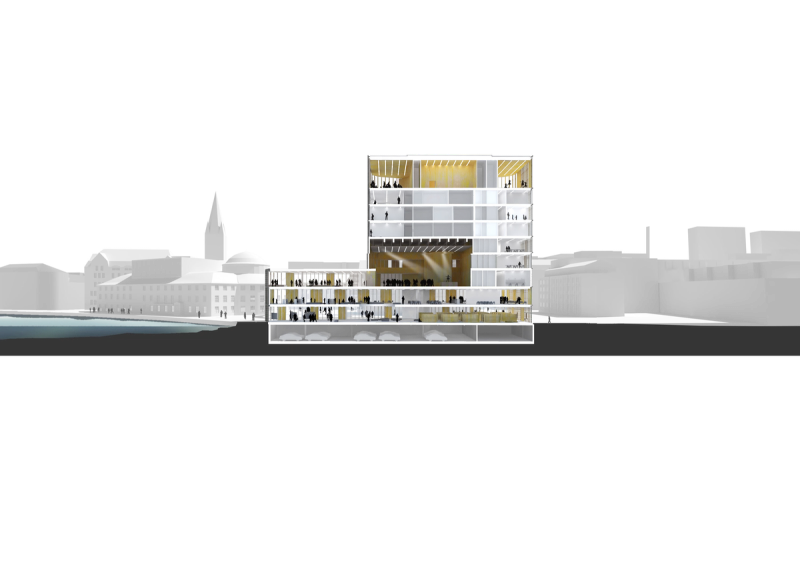
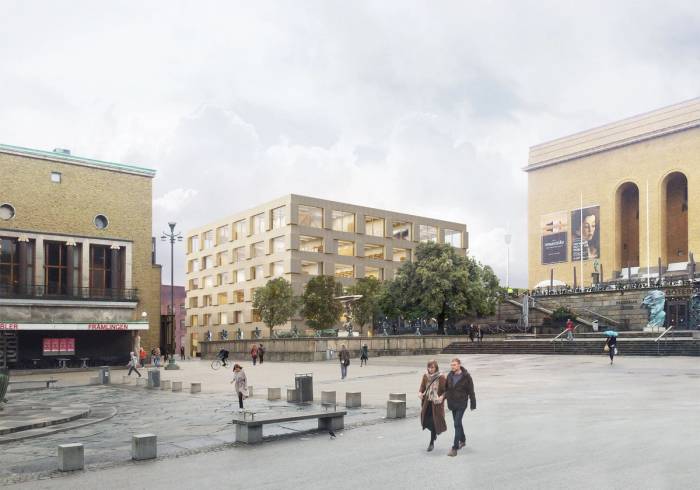
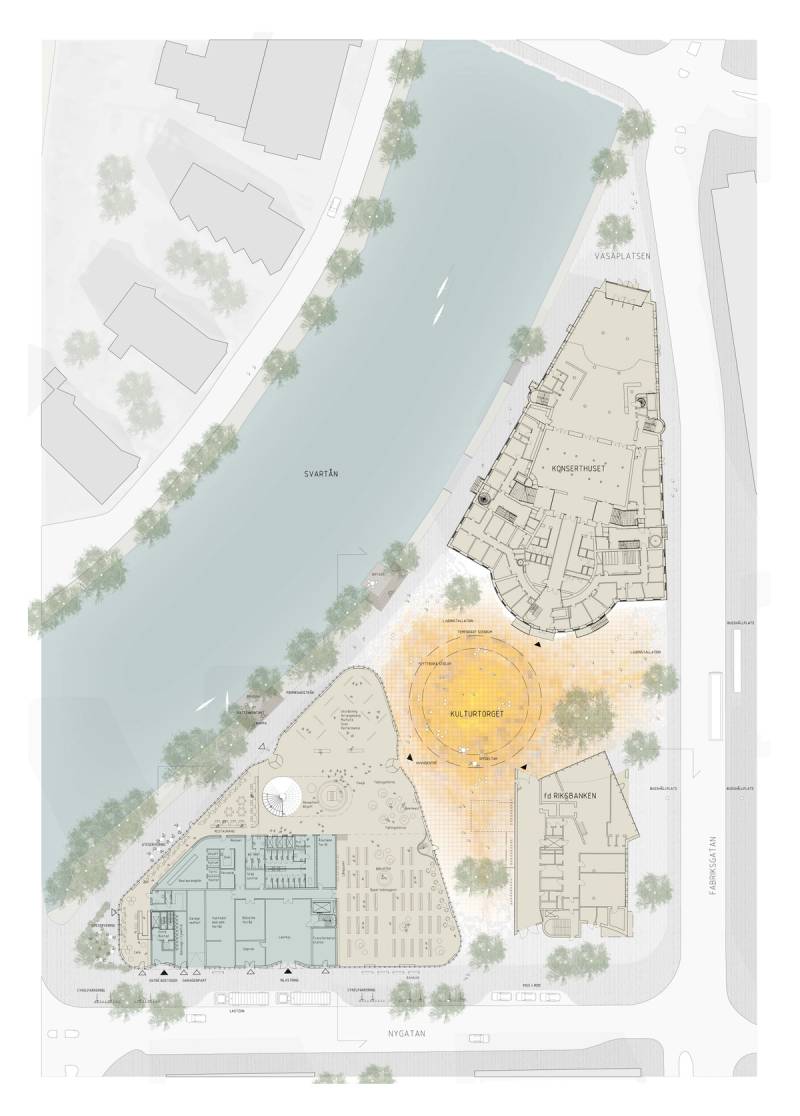
With the construction of a new cultural quarter, a new urban node will be created in Örebro that, through its attraction, will influence the city’s flows and enable the realization of an active cultural corridor through the city. With this as a starting point, the goal is to design a building with its own character and identity — one that creates a new meeting place and destination within the city. The proposal allows the building to mark the southwest corner of the site, which, together with the Concert Hall and the former Riksbanken building, creates a cohesive Cultural Quarter around a central entrance plaza: The Culture Square.
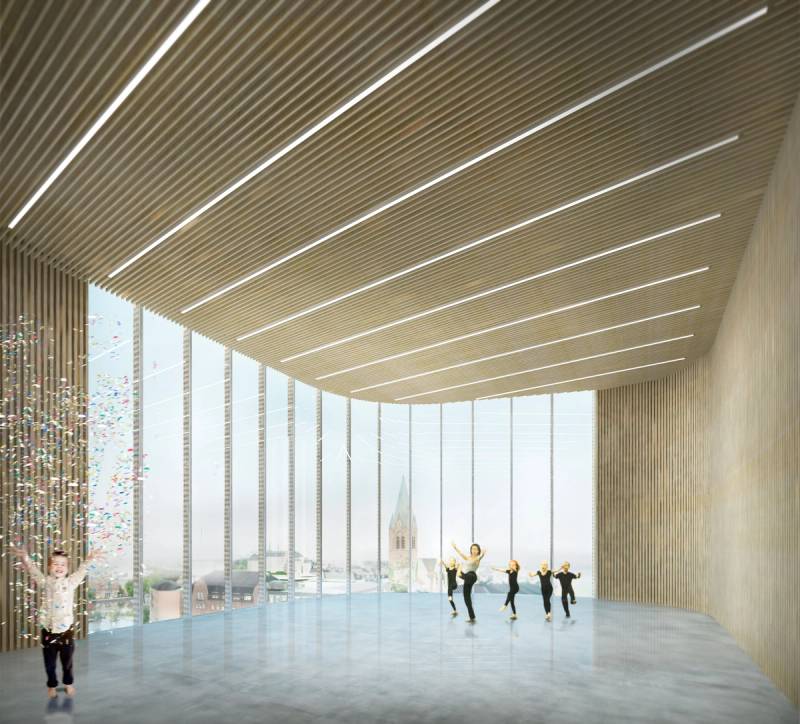
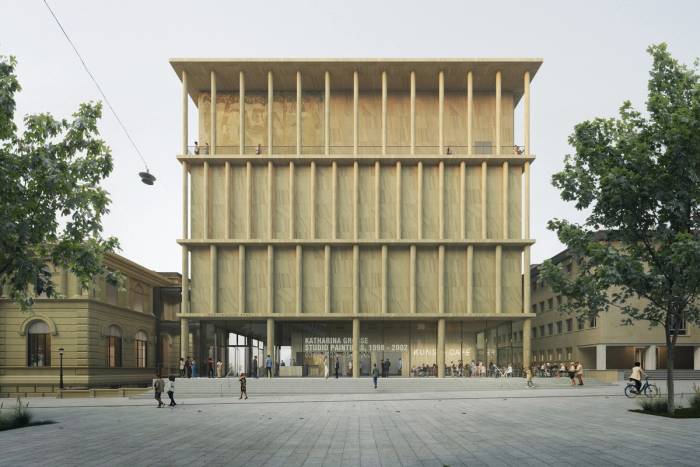
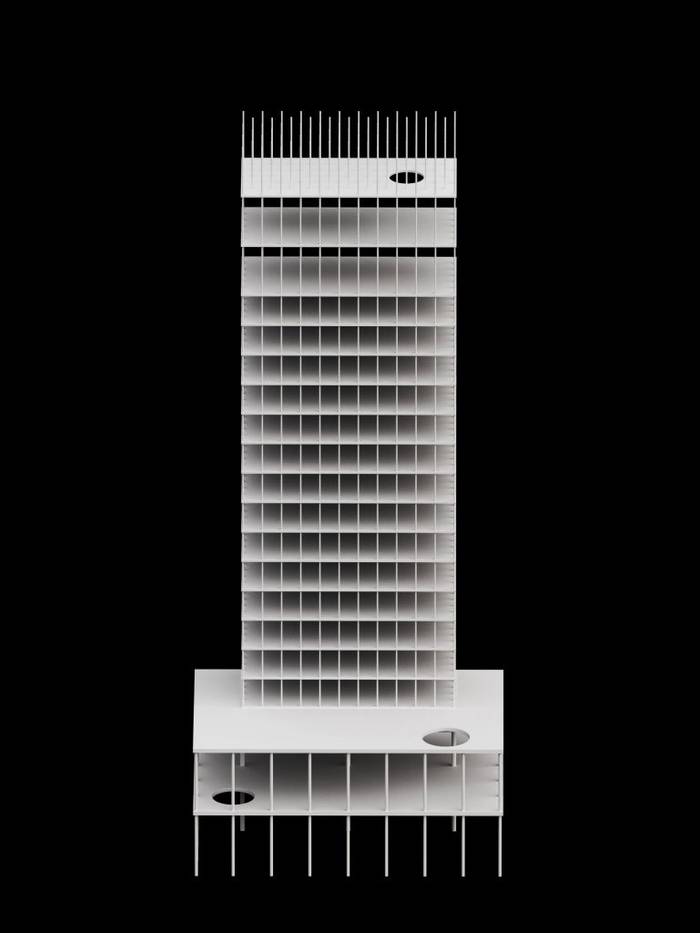
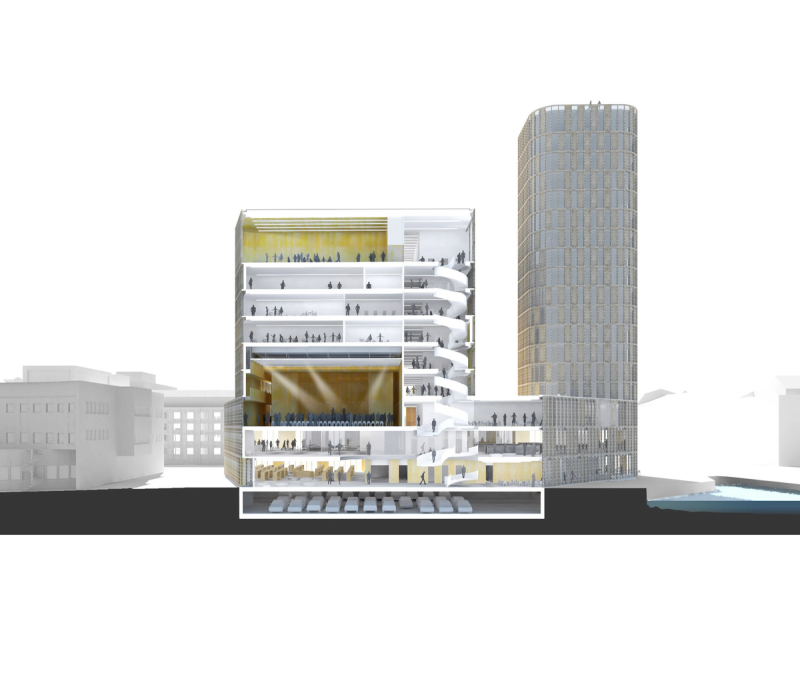
The new cultural building forms a cornerstone in the block, with no real “backside.” With a light façade of pale handmade brick and large glazed sections, the building opens out toward different city views. The three-storey base responds to the site’s urban alignments and the relatively low surrounding buildings. Two volumes — one housing the multi-stage theatre and cultural school, and a taller one for residential use — rise progressively, with the residential tower to the west acting as a visual landmark and establishing the cultural building as a new important node in the city.
The façade is conceived as a contemporary evolution of the classical plaster and brick architecture of the historic city, helping the new structures feel coherent with their context. Through modern construction technology, a much greater openness and transparency are achieved, and generous glazing gives the brick surfaces a light expression — a network with a textile material quality. In this way, the cultural building can both connect to its context and stand out as a new reference point that, in dialogue with Örebro’s older landmarks, creates urban nodes. The building’s architecture, with its curved forms, appears open and inviting — important for establishing an inspiring and welcoming cultural hub, a lively gathering point for all the city’s inhabitants.
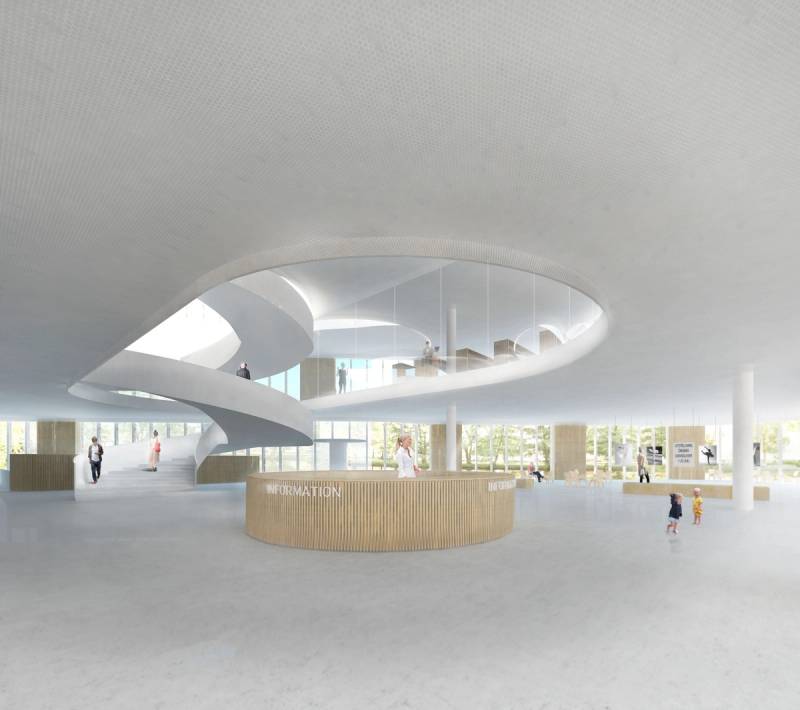
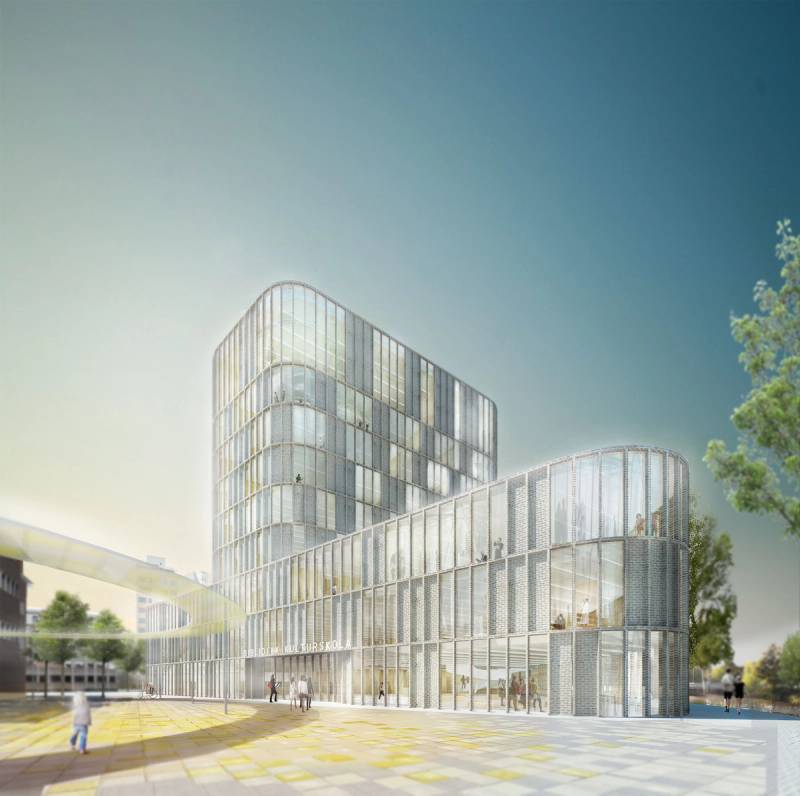
The entrance plaza is defined by a refined and robust surface of paving bricks. It becomes a spectacular place that evokes associations with great theatres and concert halls. The moment one steps onto the plaza, it should be unmistakably clear that one is at the Culture Square. The plaza becomes a stage in itself, a flexible and inclusive place with room for temporary activities that can transform over the course of the day and through the seasons.