PirhusenPirhusenPirhusen
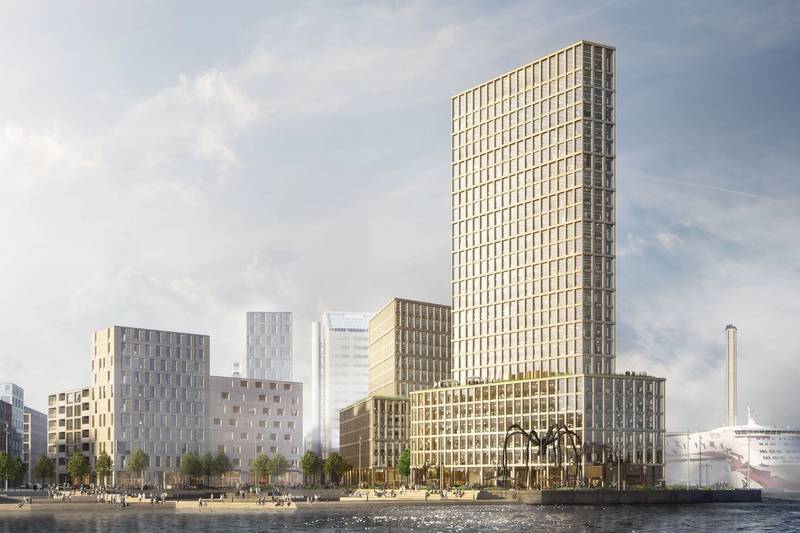
The architectural proposal for Pirhusen (Pier houses) envisions a vibrant, open platform where city life and harbor heritage converge. Designed as an attractive meeting place for commerce, recreation, and culture, the project focuses on human-scale interaction while establishing a bold landmark presence. By balancing functional requirements—such as noise and wind protection—with aesthetic innovation, the development creates a long-term sustainable environment that bridges the gap between the emerging urban district and the expansive maritime landscape of the harbor.
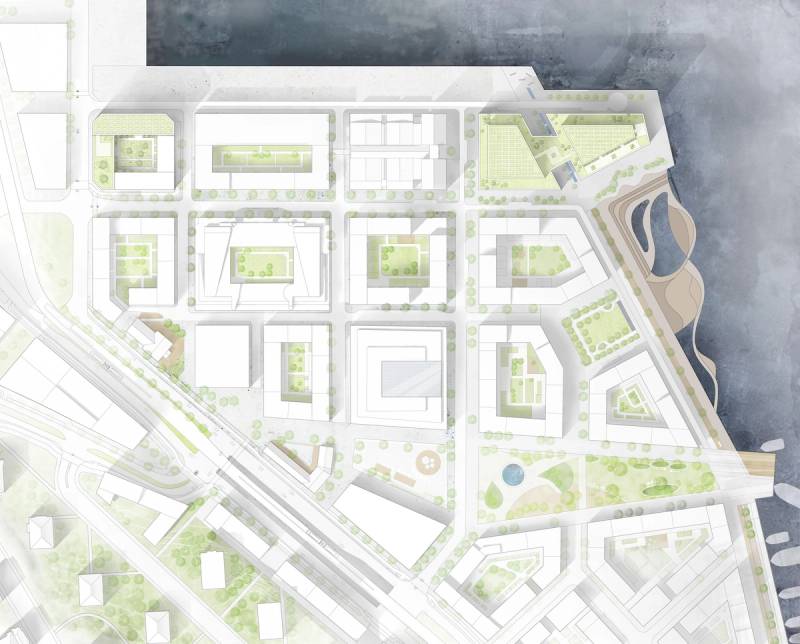

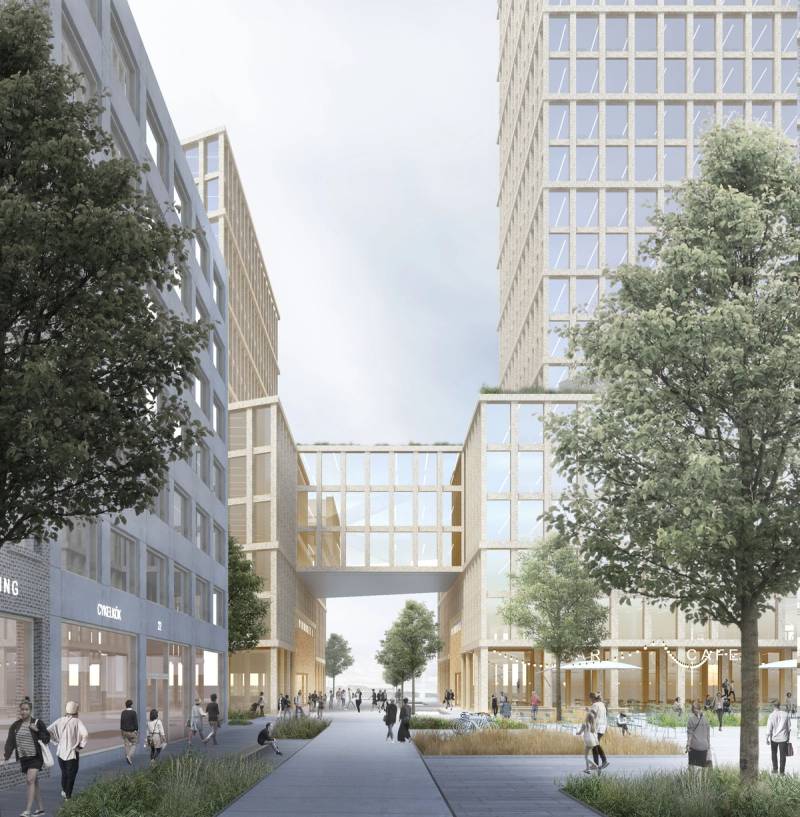
The proposal defines the Pirhusen as two distinct volumes: a lower western block and a taller eastern tower that serves as a lighthouse-like landmark for the waterfront. At the street level, both buildings feature six-story plinths that align with the surrounding neighborhood’s heights, creating a familiar urban rhythm. Above these bases, the upper sections are recessed to allow for a more airy skyline and to provide room for public terraces. This strategic placement ensures that the buildings act as an effective shield, protecting the residential areas to the south from harbor noise and turbulent winds.
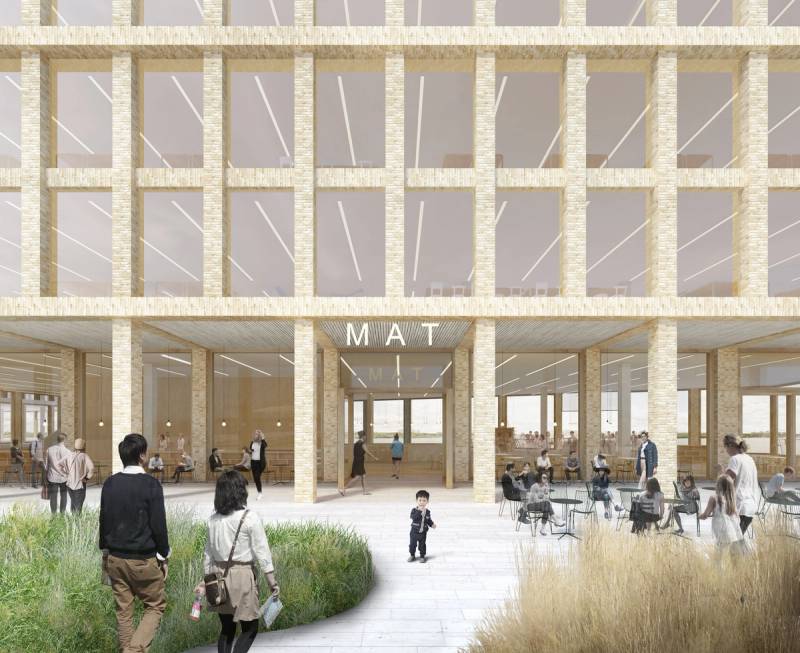
Movement through the city is invited into the heart of the buildings via a series of diverse public squares, including a "Water Square" and a "Pier Square" at the eastern tip. The ground floors are designed as high-ceilinged, open loggias—reminiscent of a marketplace—where the city’s paving materials extend indoors. These transparent "shared spaces" house shops, cafés, and the entrance to a public bath, fostering a safe and active street life. This open-plan "pillar hall" design provides maximum flexibility for tenants while maintaining a strong visual connection to the harbor’s scale.
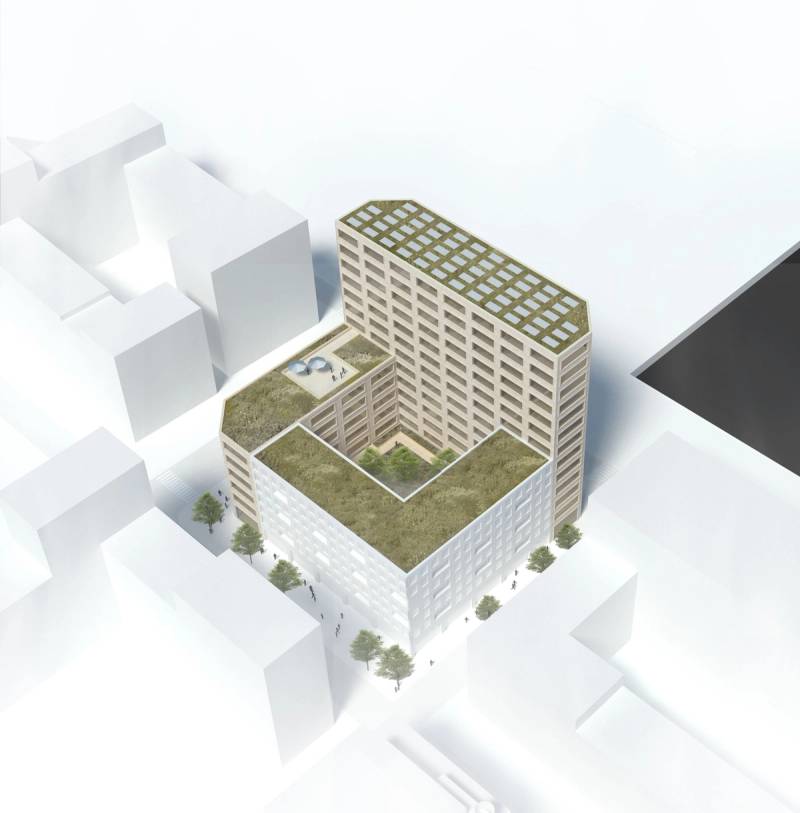
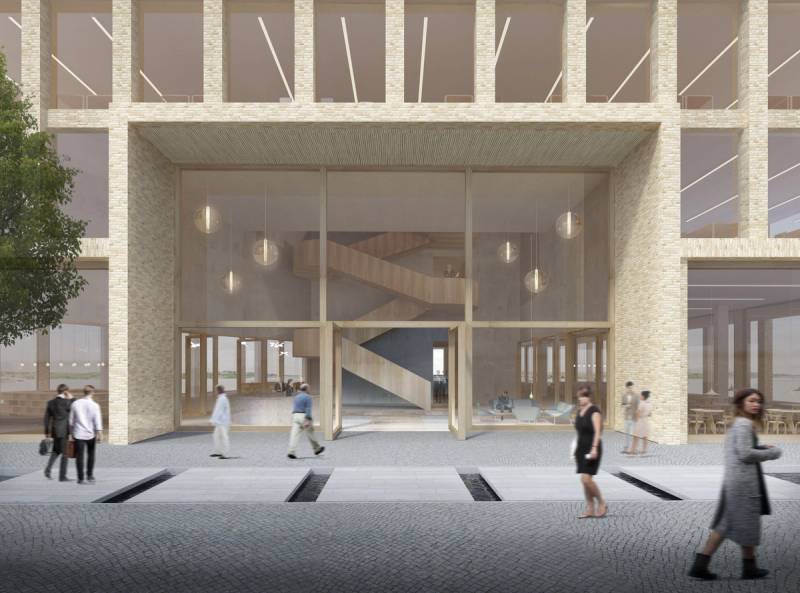
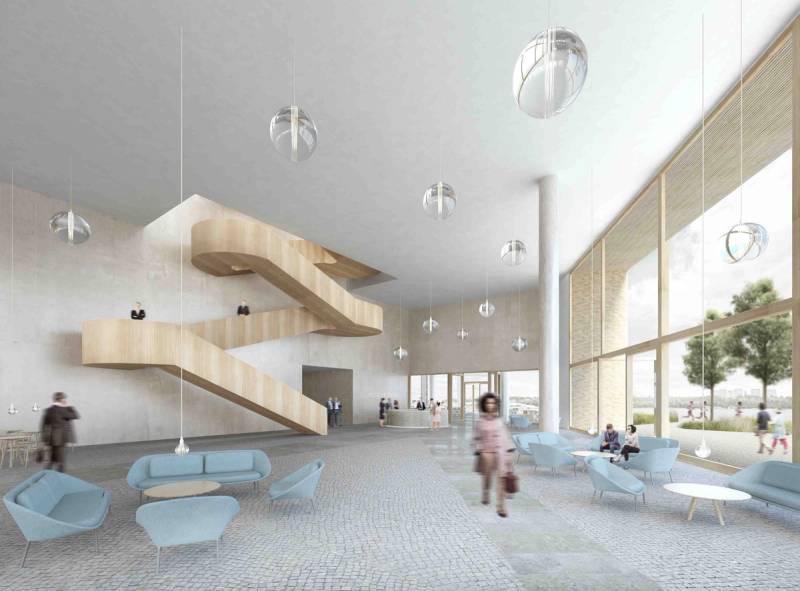
A unique aspect of the Pirhusen is the integration of site-specific art that honors the Bonnier tradition of cultural stewardship. The proposal explores two artistic paths: high-tech solar cell windows featuring screened patterns that generate energy while providing shade, and physical sculptures integrated directly into the window frames. The material palette—consisting of light-colored brick, steel, and wood—lends a handcrafted, robust feel to the structures. Inside, a central "heart" featuring double-height lobbies and sculptural staircases organizes the flow between public floors and the professional editorial and conference spaces above.