StenhögaStenhögaStenhöga
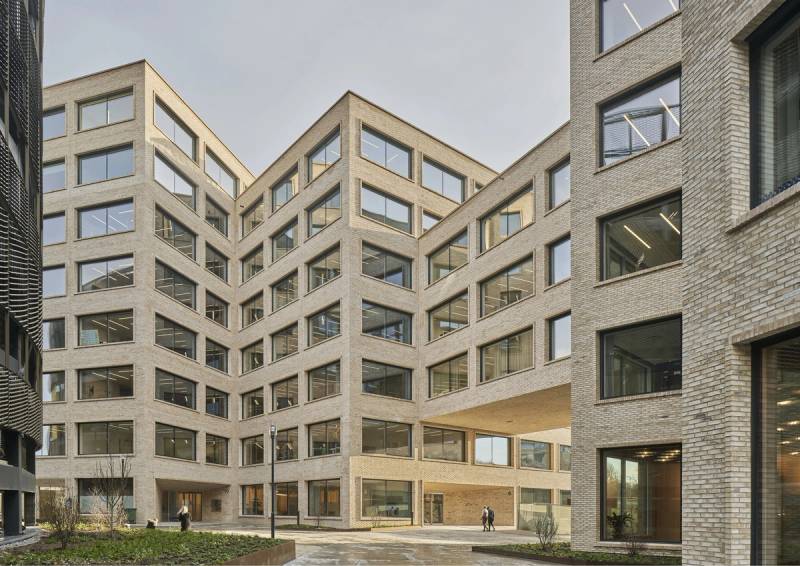
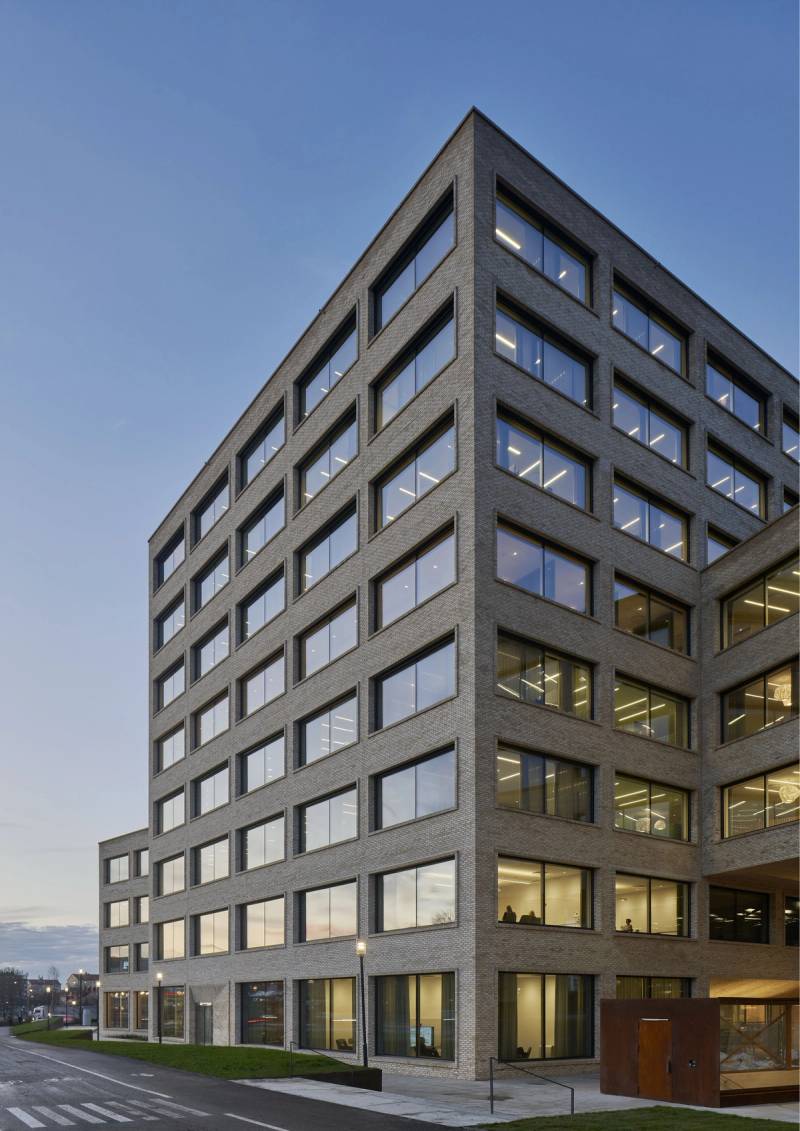
The new office buildings in Solna Strand were developed around the idea that the most sustainable buildings are those which remain in use for the longest time. Robustness is crucial to longevity; therefore, solid and reliable construction methods are fundamental for sustainable architecture.
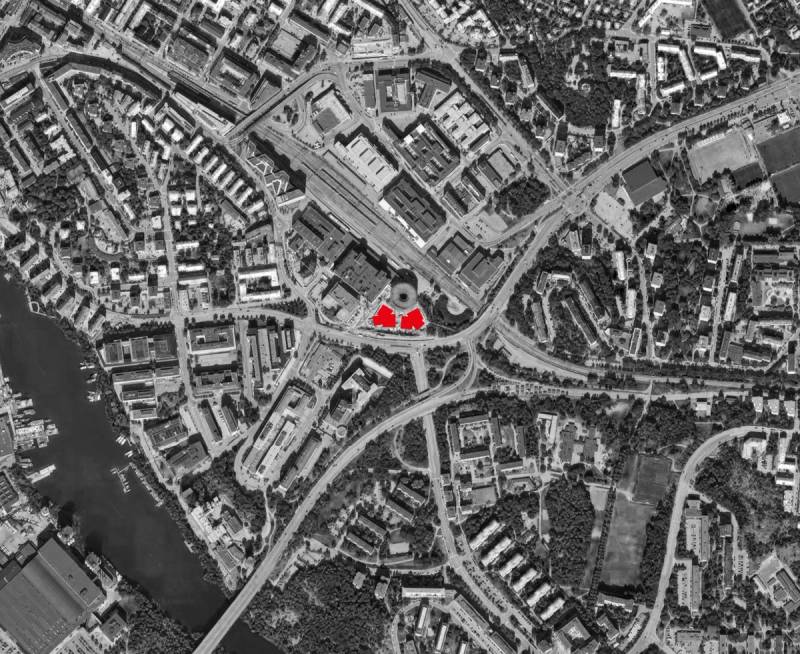
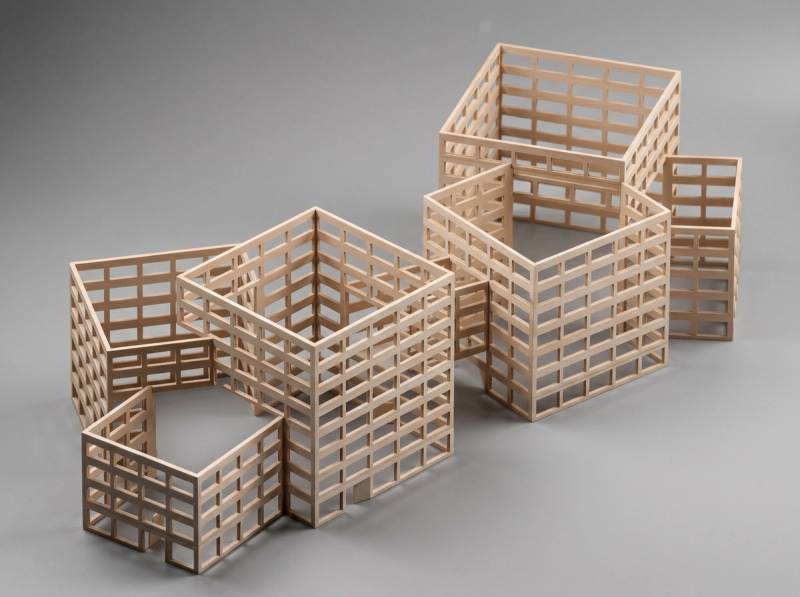

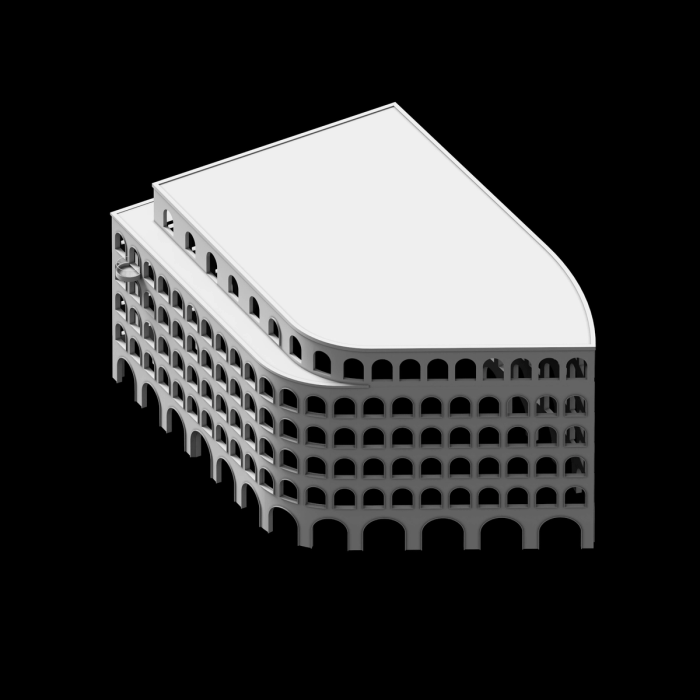
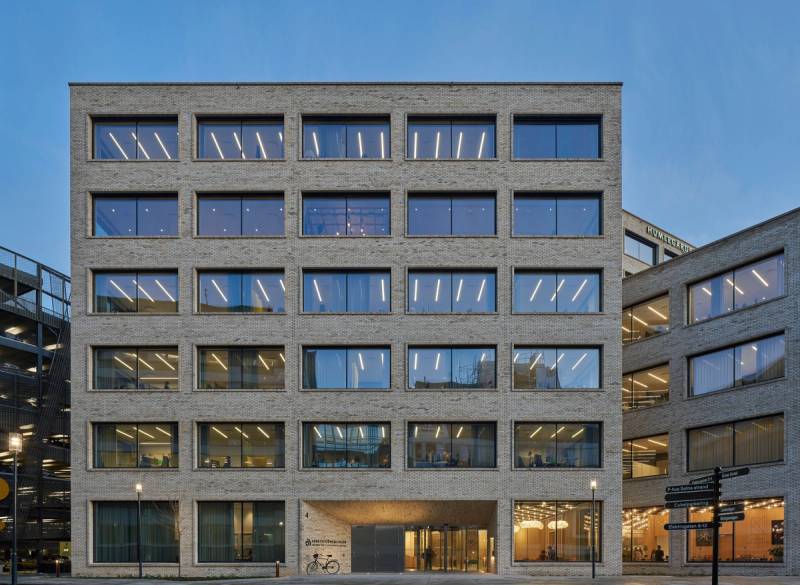
The scale, orientation, and materiality of the new buildings were designed as a response to the diverse character of the neighbourhood, a semi-urban context of large-scale developments at the edge of the city, where brick buildings from different periods and of varying sizes dominate. Dividing each building into three smaller volumes provides flexibility of use for the interior and allows proximity to daylight. Subdivision of the plan creates multiple corner rooms with open views oriented towards the sun. Exterior spaces at street level are sheltered from the wind. Stepping the building heights creates green roof terraces, a valuable amenity directly accessible from the offices in the upper parts of the building.
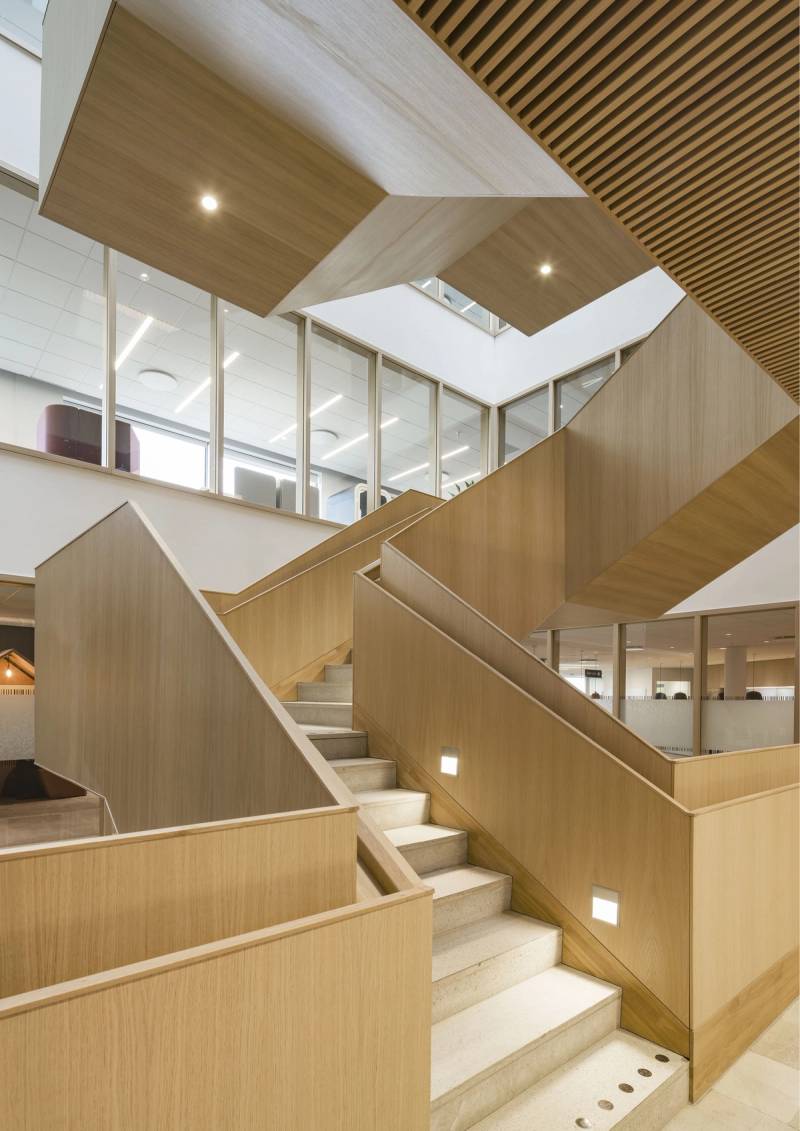
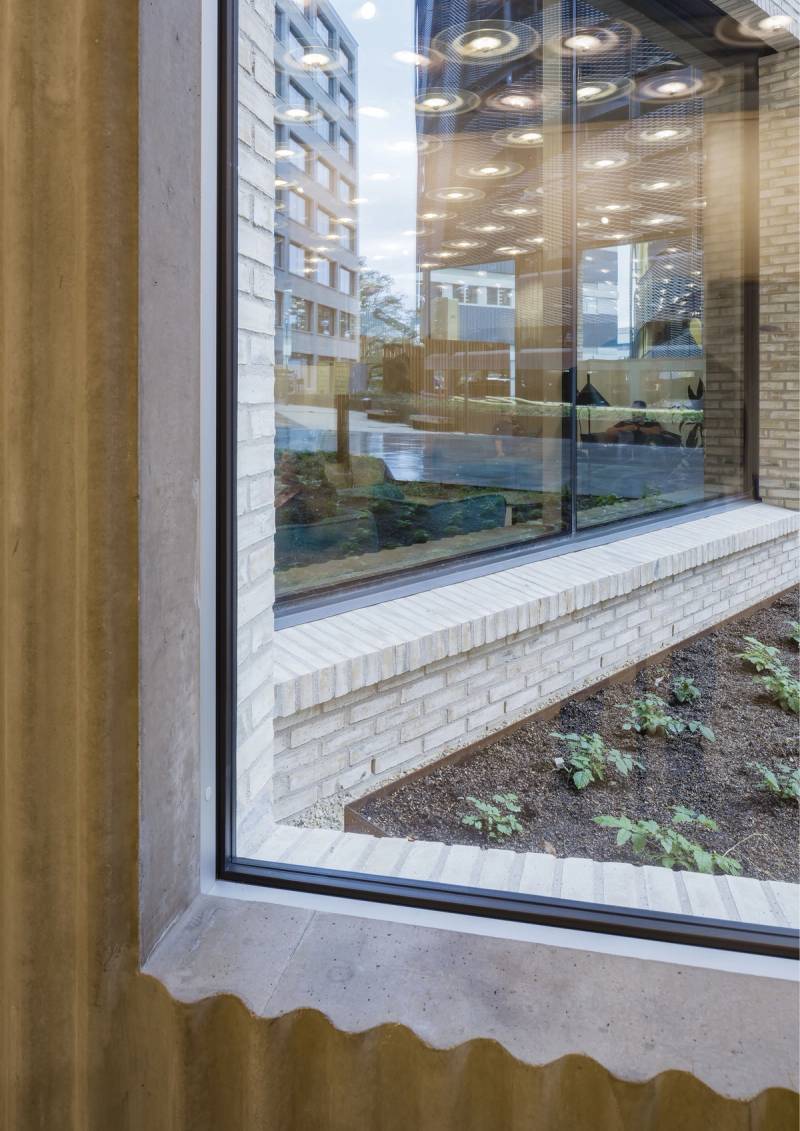
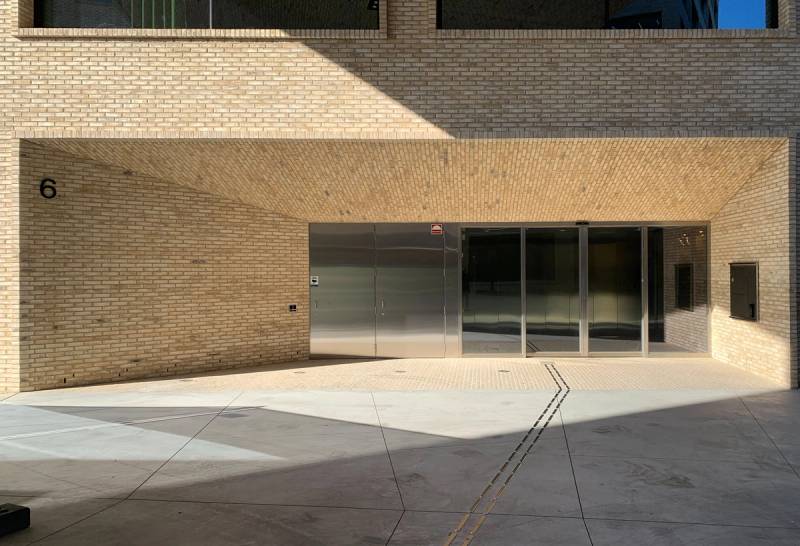
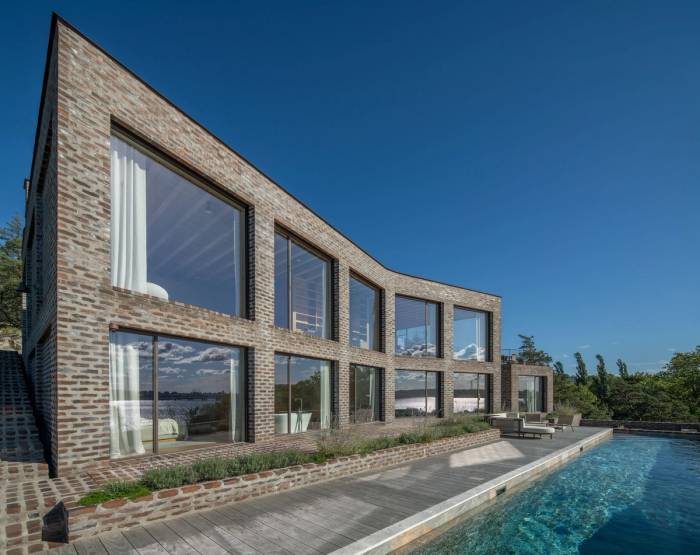
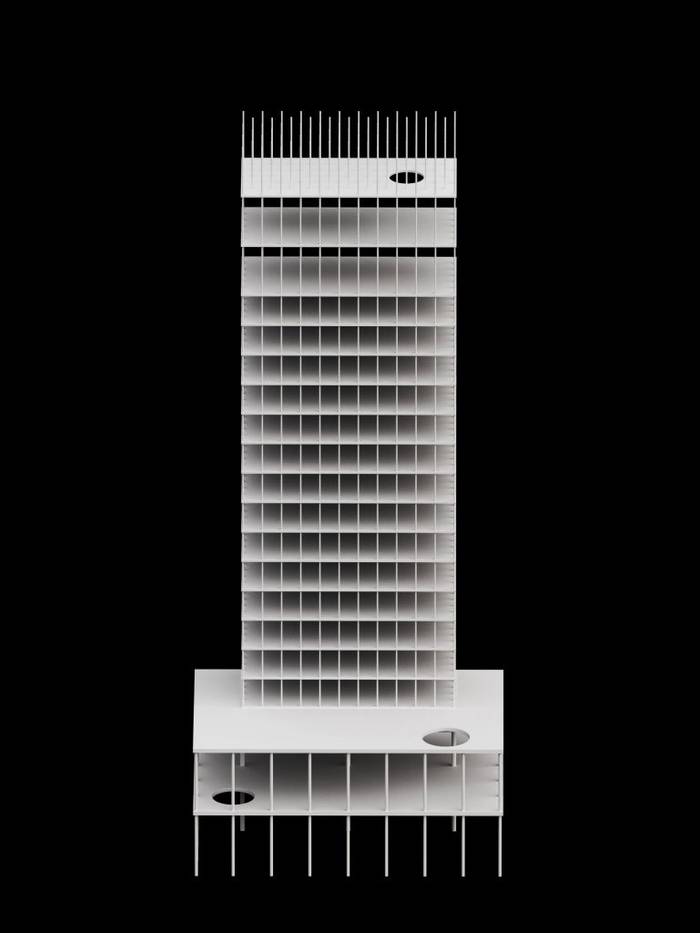
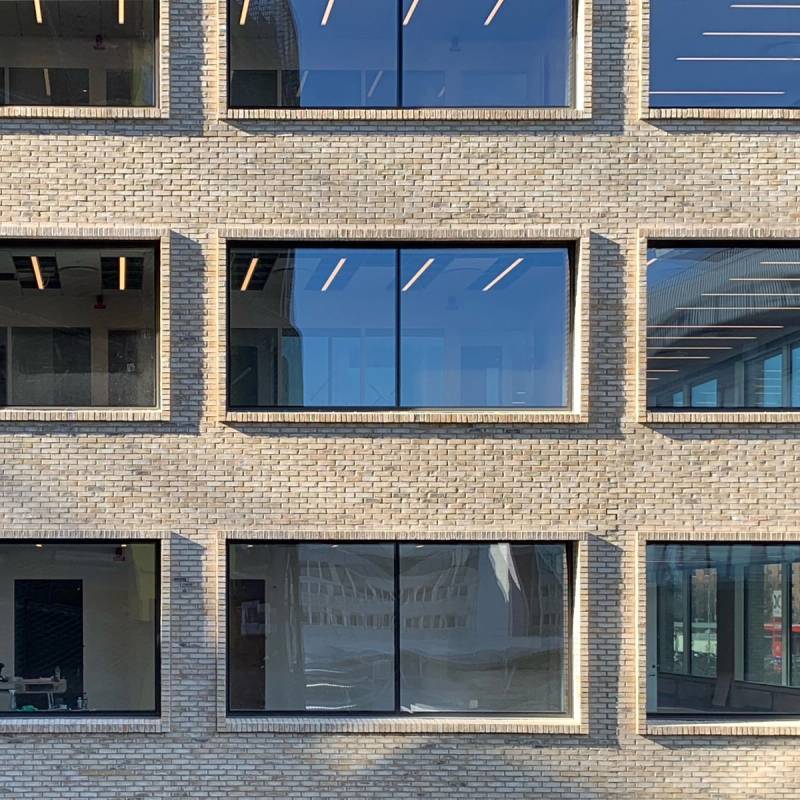
The aim is to provide inviting, dynamic rooms through spatial complexity and rational, state-of-the-art construction. A regular, load-bearing frame and façades minimise the need for internal structure, ensuring maximum flexibility of the office layout. The deep floor plans and compact volumes produce high overall energy efficiency. Generous windows ensure plenty of daylight on each floor level, while the in-situ brick façades lend the new buildings a timeless character that relates to the carefully made brick architecture of the nearby train depots. At street level, there are additional locations for entrances where shops, showrooms, restaurants, and other public functions may be established over time.
Inside, the building has been spatially reconstructed. Two new staircases allow the visitor to move in a loop between the grand turbine hall and the upper exhibition rooms. The staircases are each enclosed between two walls, which functions to divide the program of the turbine hall into three separate spaces, housing in addition to exhibition spaces a children’s studio and a separate loading area (in fact also used for exhibitions).