Double HouseDouble HouseDouble House
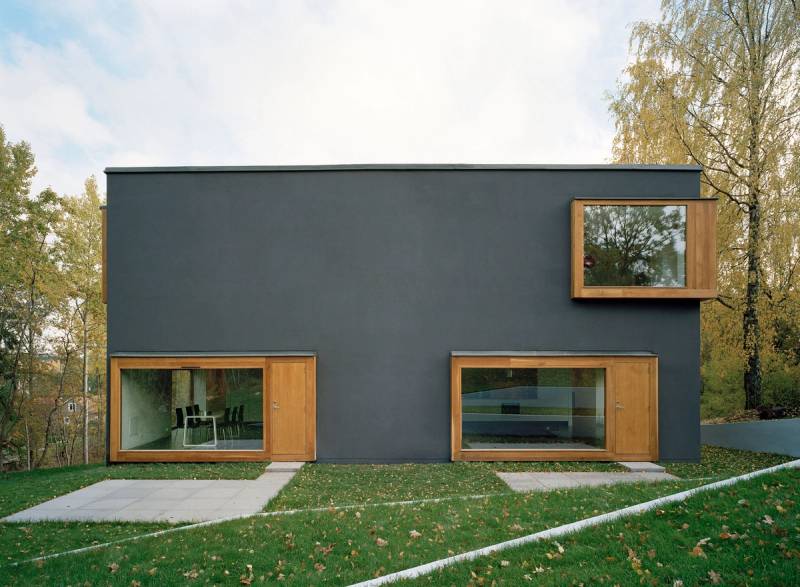
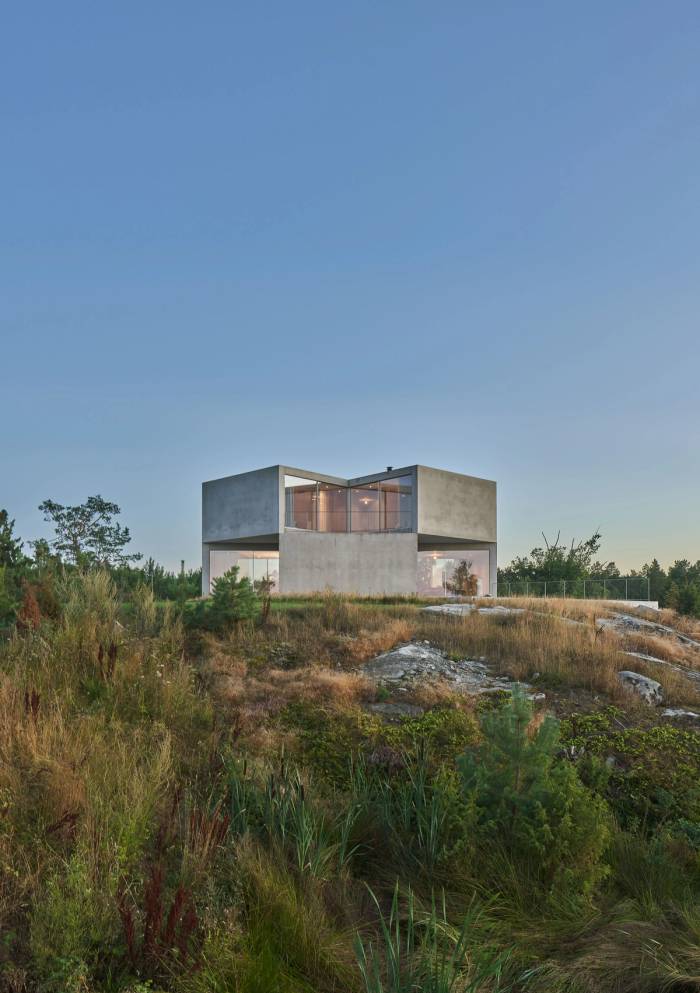
The typology of duplex homes is unusual in the history of Swedish architecture, partly because scarcity of land has seldom been a factor. The client aimed to build two large homes on a narrow site next to a small forest, located on the edge of an old residential area outside Stockholm. The building envelope was utilised to its maximum extent in terms of width, the largest area that still complied with local building regulations.
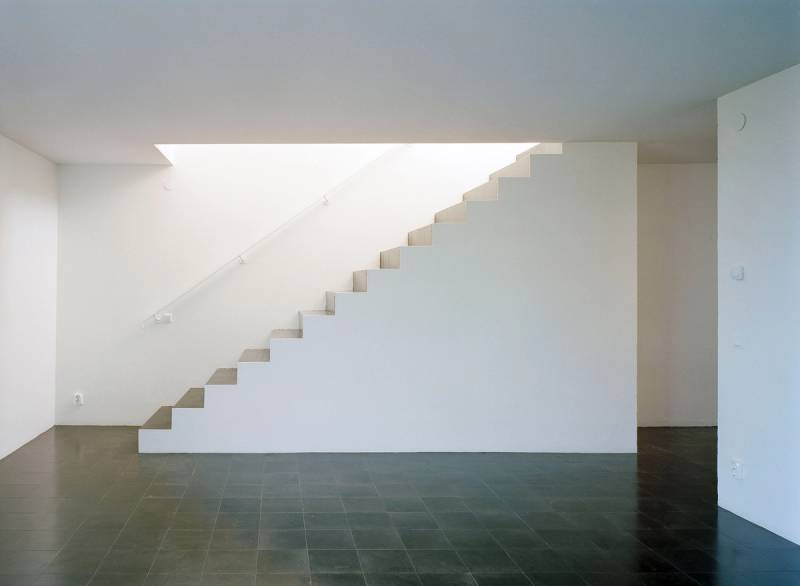
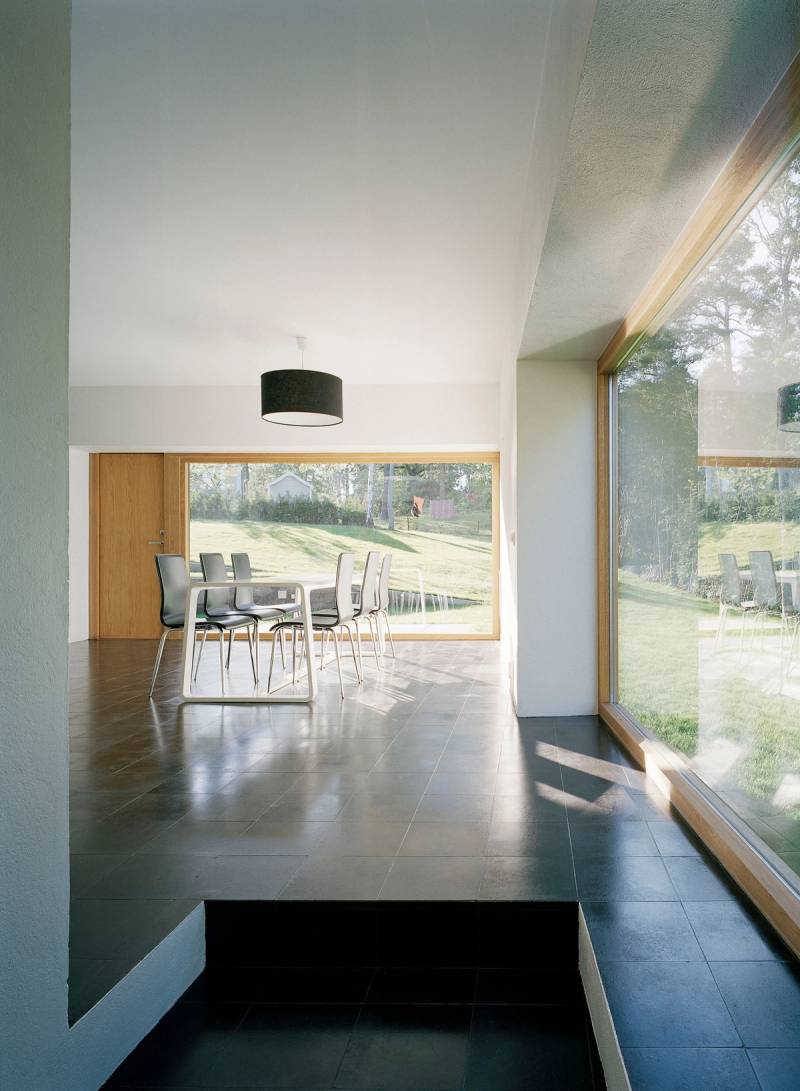
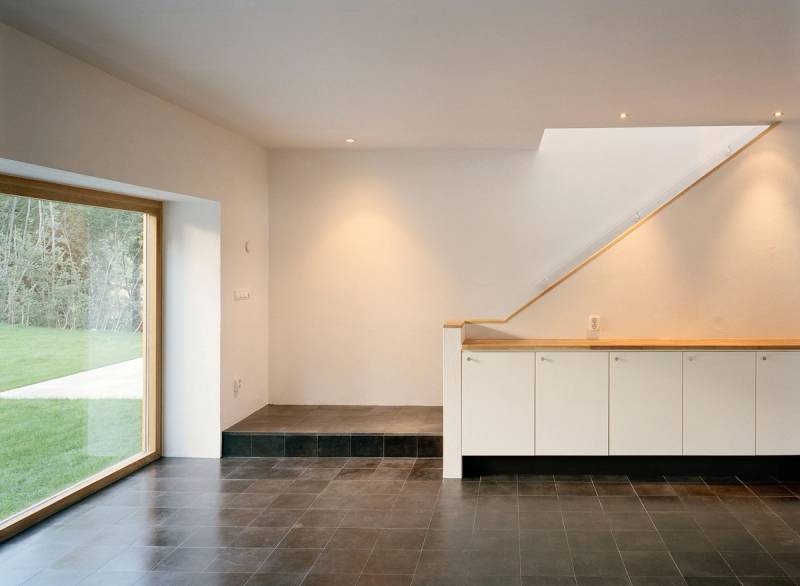
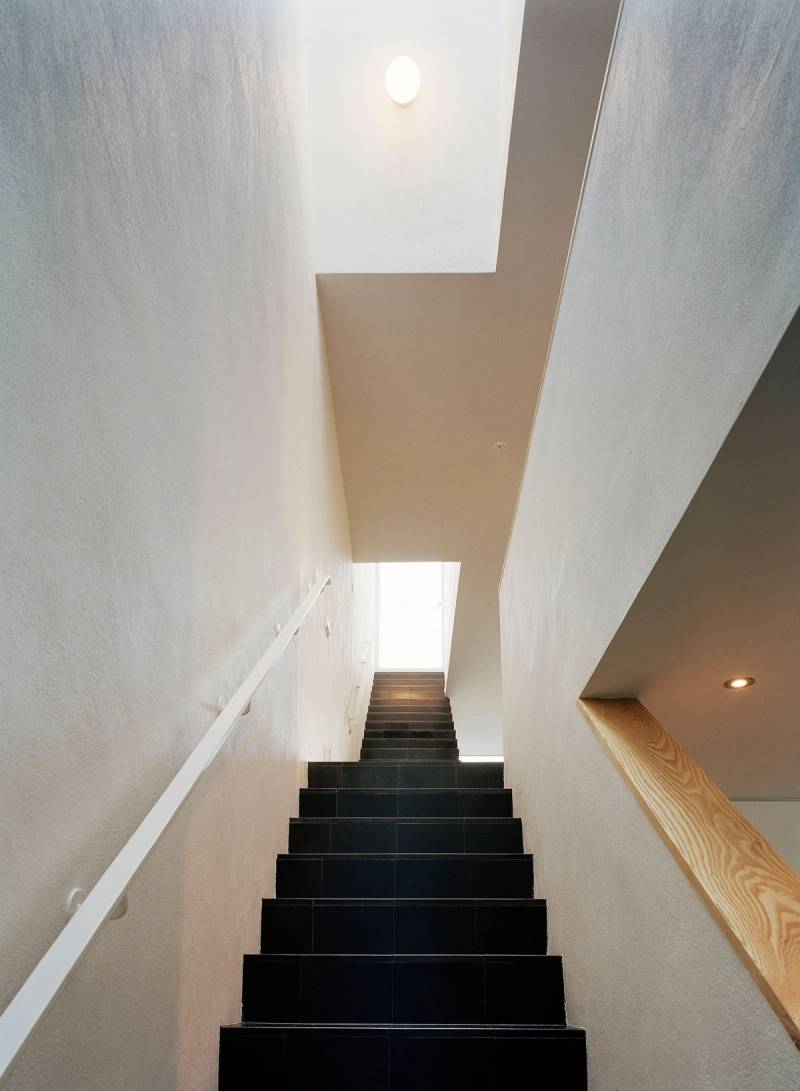
The house is organised as a spiralling sequence of four large rooms on four levels. The large spaces in this house have no particular hierarchy, inviting the inhabitants to organise their lives according to their own preferences. More or less identical in plan, the two units contain some variations to accommodate differences in orientation, light, and views. As a result of the existing topography, spatial variations were developed: the four-metre ceiling height at the entrance level and the vertical passage up to the horizontally extended spaces, opening up towards the surrounding greenery.
The large upper room creates the link to the roof terrace – the largest social area in the house.
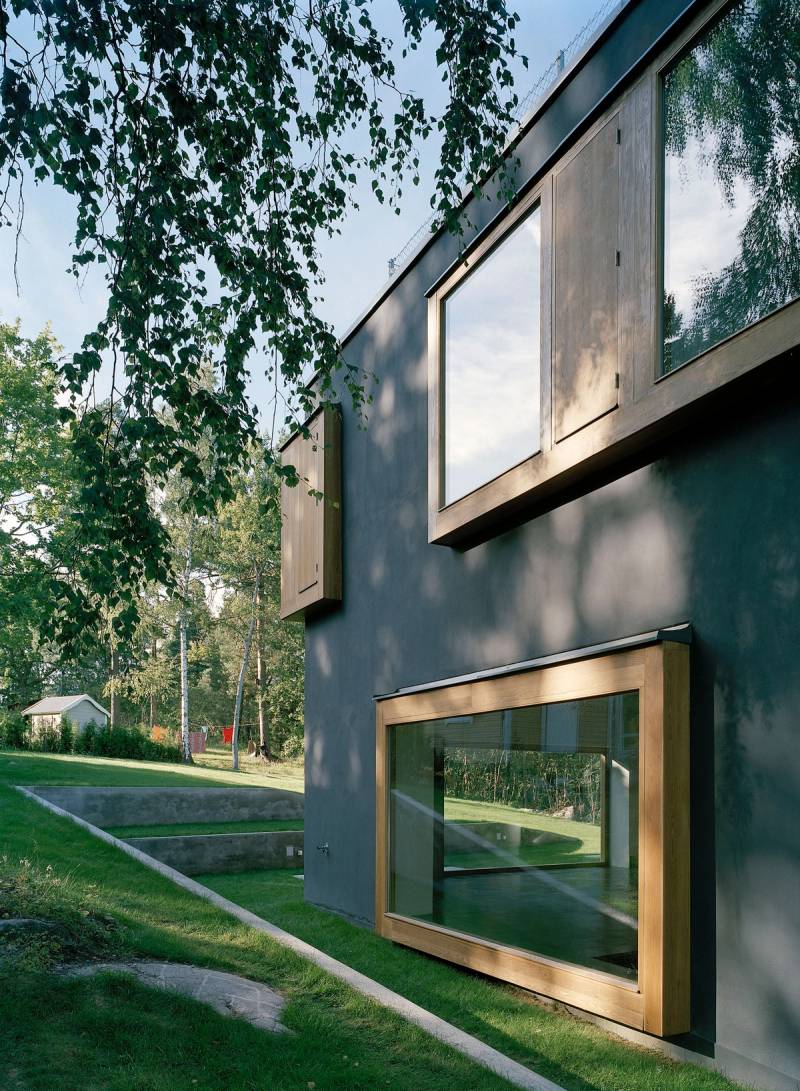
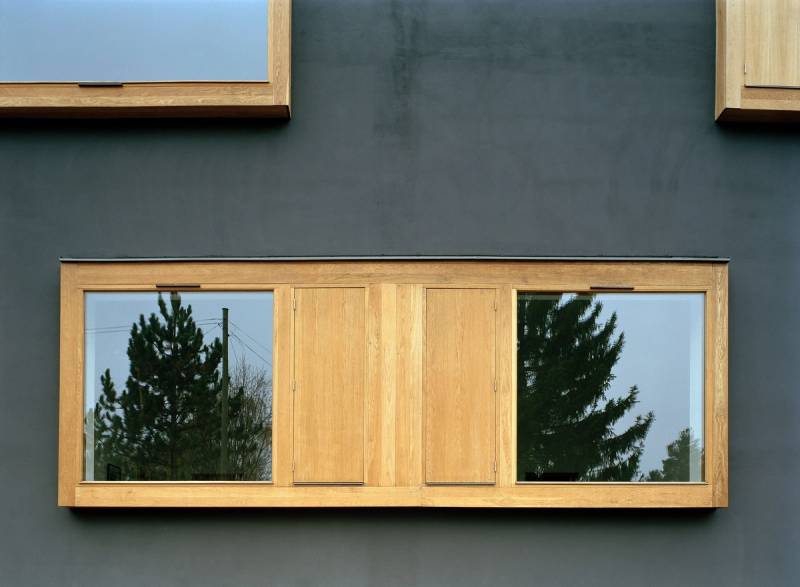
Construction is in-situ cast concrete. The façades are rendered in dark greyish-blue plaster. Protruding window boxes made of oak add a three-dimensional quality to the façade and also articulate the depth and solid character of the interior. All glass panes are fixed, with wooden side vents and doors.