Guggenheim HelsinkiGuggenheim
HelsinkiGuggenheim
Helsinki
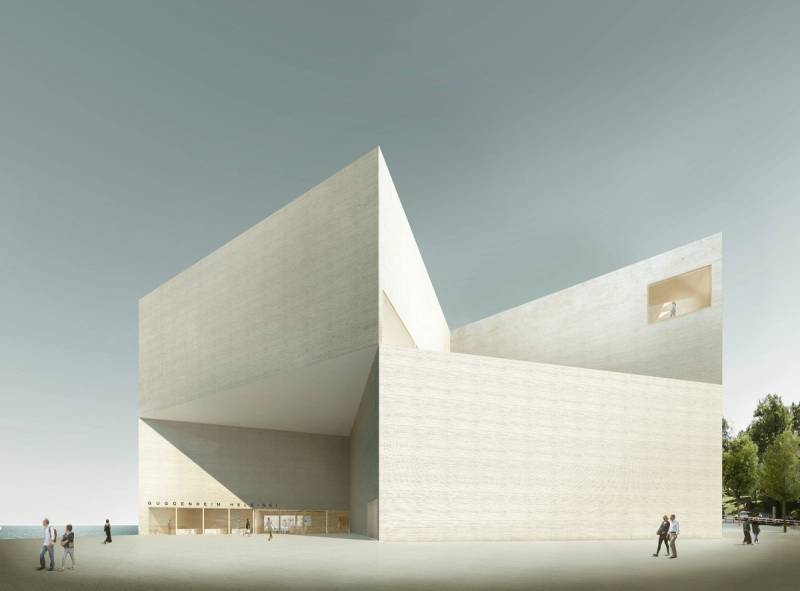
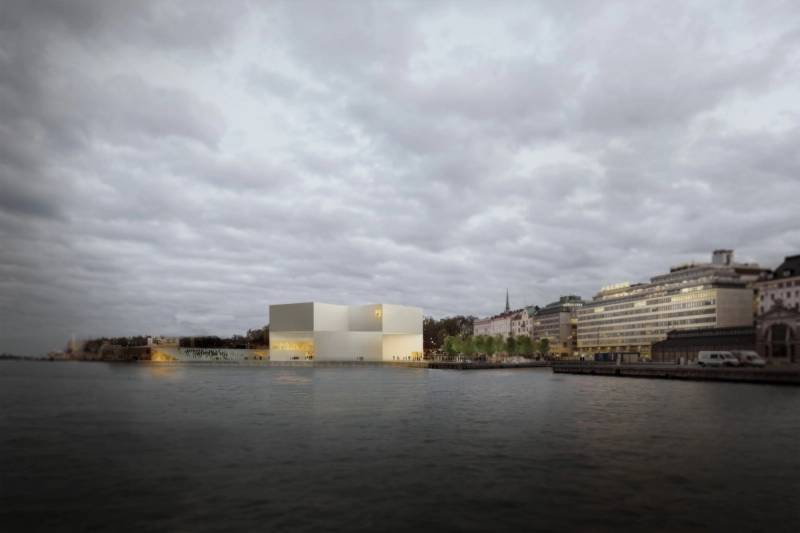
The proposal emphasises the importance of supporting urban movement across the site, seeing this as essential for the success of a public building. The design preserves key visual and spatial qualities of the existing urban context, including the waterfront façades along Eteläranta Street, the quay, and the natural landscape of Tähtitorninvuori Park. Together these elements frame the open water of the South Harbour, and the new museum is positioned to respect and strengthen this urban composition.
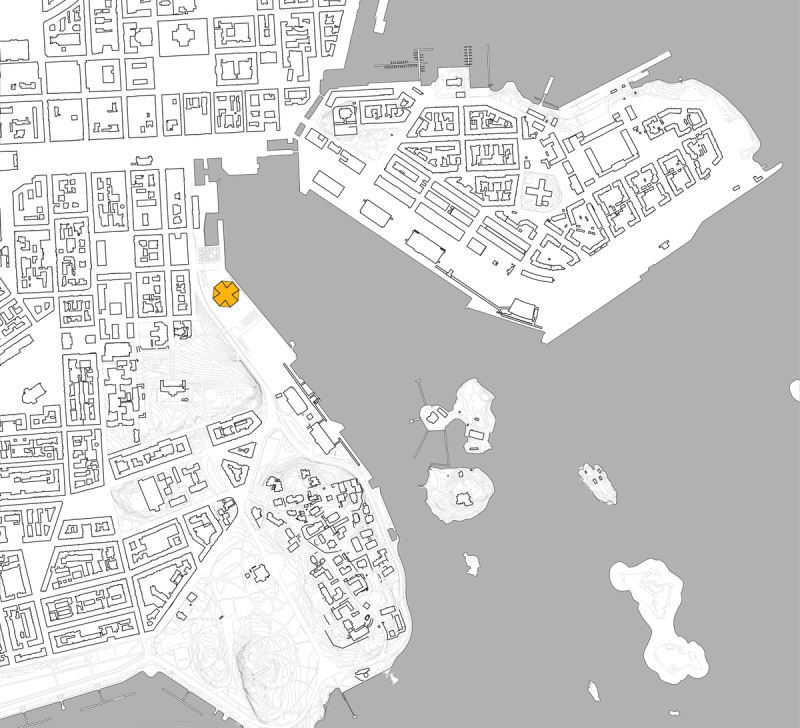
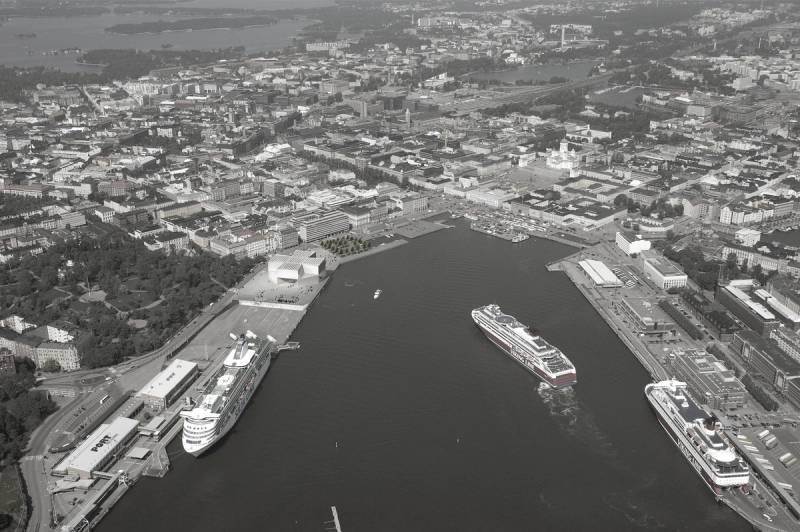
The Guggenheim Museum is conceived as a concentrated building volume placed freely on the open quay, acting as both a destination and an urban node. Its rounded footprint ensures that all sides function as active façades, with terraces and entrances opening in multiple directions. This design allows the building to engage the surrounding city and waterfront while creating a lively public environment throughout the day, night, and across all seasons.
From a distance, the museum aligns in height with the surrounding waterfront buildings but distinguishes itself through sculpted exterior voids that create a light and porous appearance. Seen from key urban viewpoints such as the Market Square and the Esplanadi axis, the building appears as a clear civic landmark. Positioned among important public buildings like the cathedrals, City Hall, and the Presidential Palace, the museum adds a new layer to Helsinki’s architectural history and aims to become a new cultural symbol for the city.
The site is developed as an open and accessible public platform that strengthens connections between surrounding neighbourhoods. Subtle adjustments to ground levels create a sequence of plazas and outdoor spaces for events, artworks, and public activity. The nearby Makasiini Port Terminal is integrated beneath a landscaped sloping roof that also provides seating, recreation, and play areas, while guiding movement between the park and the sea without the need for barriers.
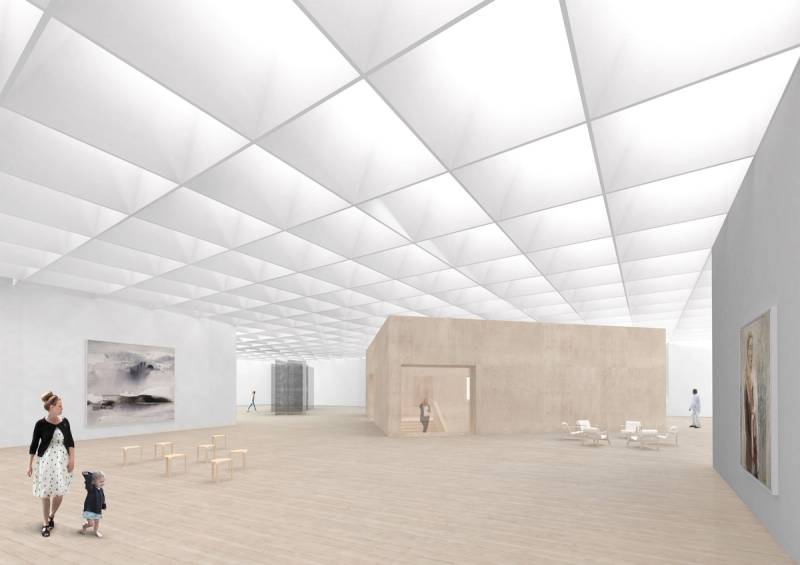
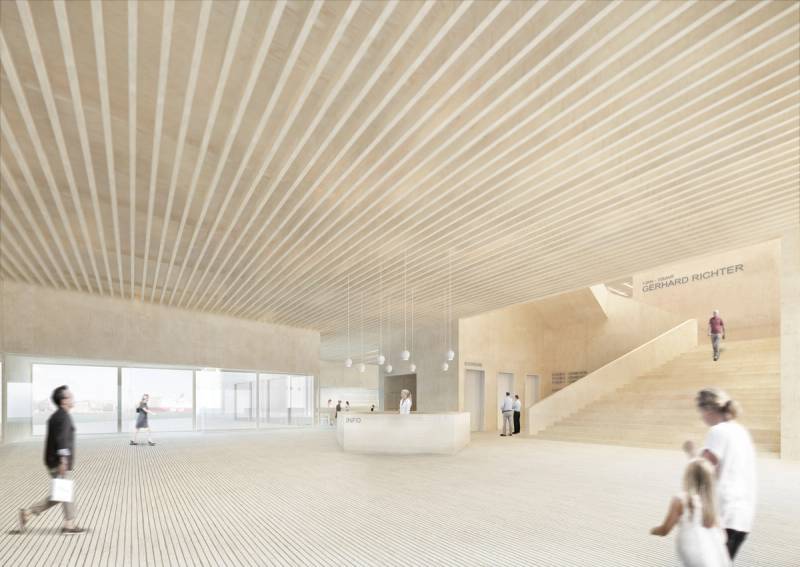
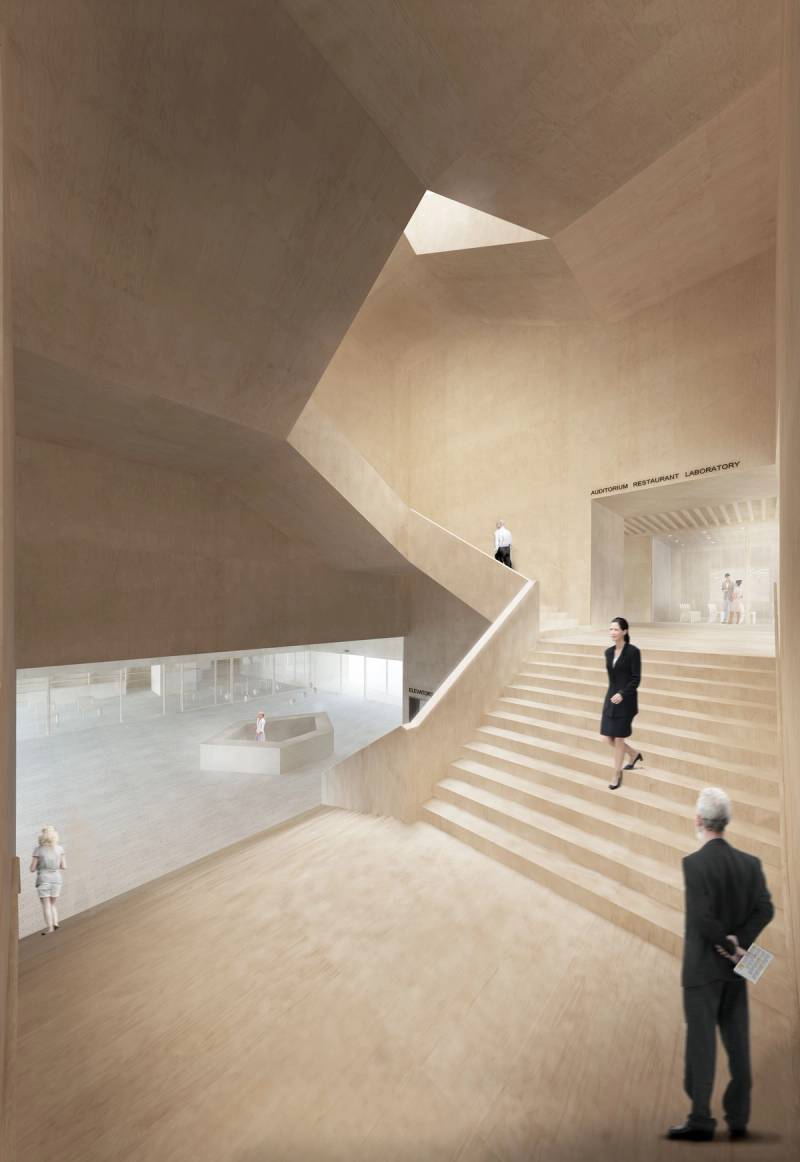
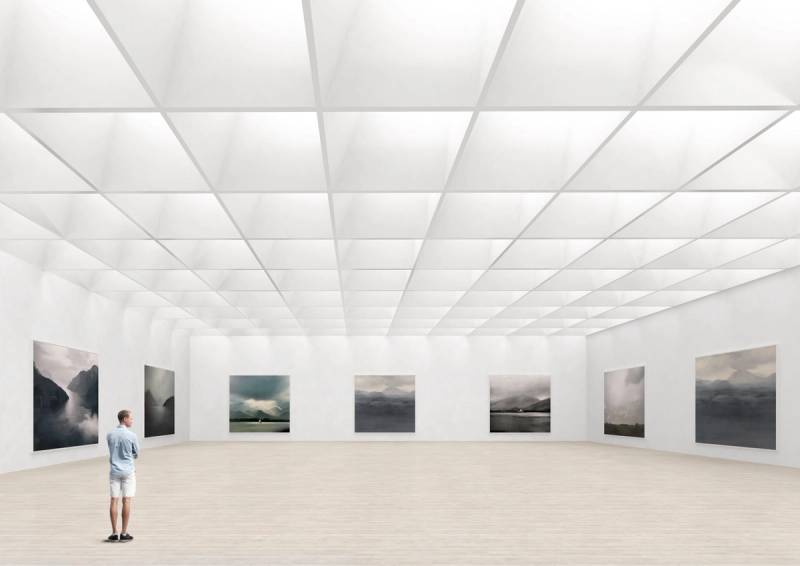
Architecturally, the museum draws inspiration from Finnish traditions of light-coloured materials, clear volumes, and refined simplicity. The building is organised with public functions such as entrance, shop, food areas, and activity spaces in the lower wings, while the upper levels contain the main exhibition galleries. A central stair forms a vertical promenade connecting the floors and creating a sequence of flexible gallery spaces, allowing exhibitions to adapt to different scales, lighting conditions, and curatorial needs.