House on a HillsideHouse on
a HillsideHouse on
a Hillside
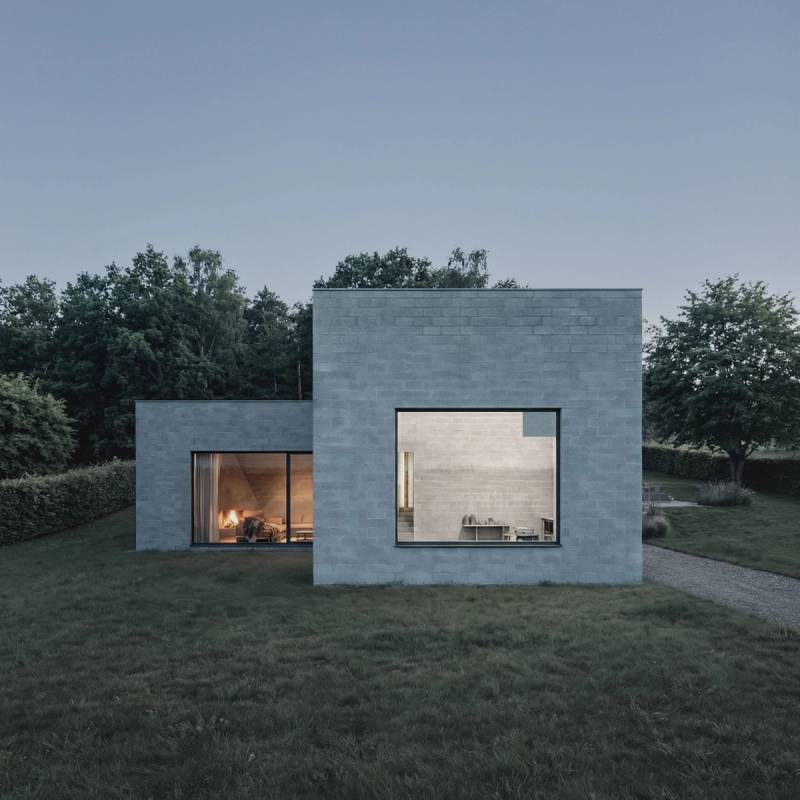
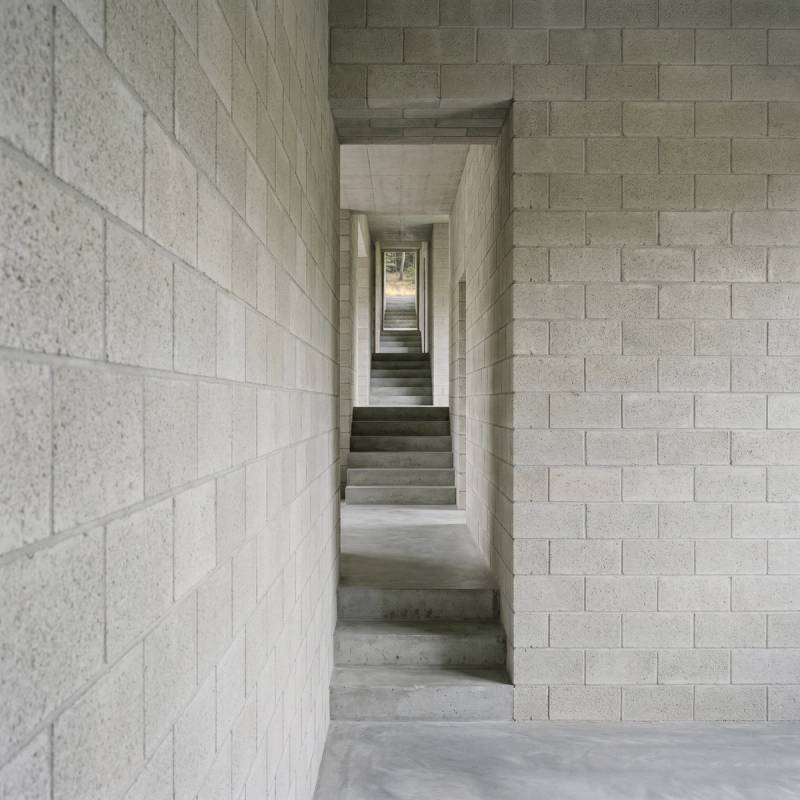
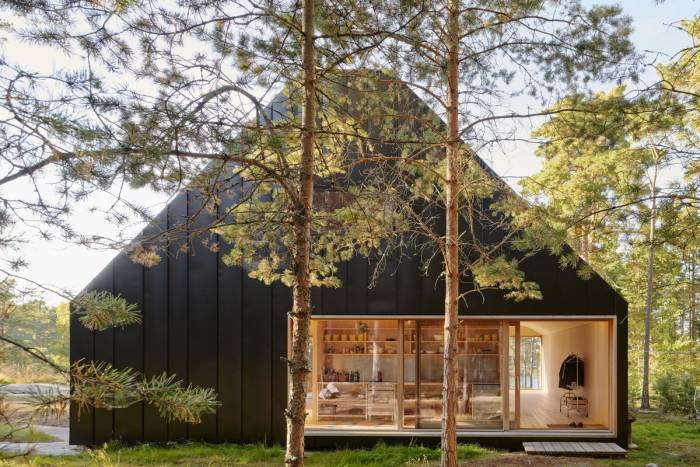
This home is laid out as six blocks, stepped in section and staggered in plan. It is a straightforward structure that, by following the natural topography of the site, produces varied and complex spatial qualities for the interior. The blocks are interconnected along a linear interior passage that, with a few steps between each level, responds closely to the existing landscape.
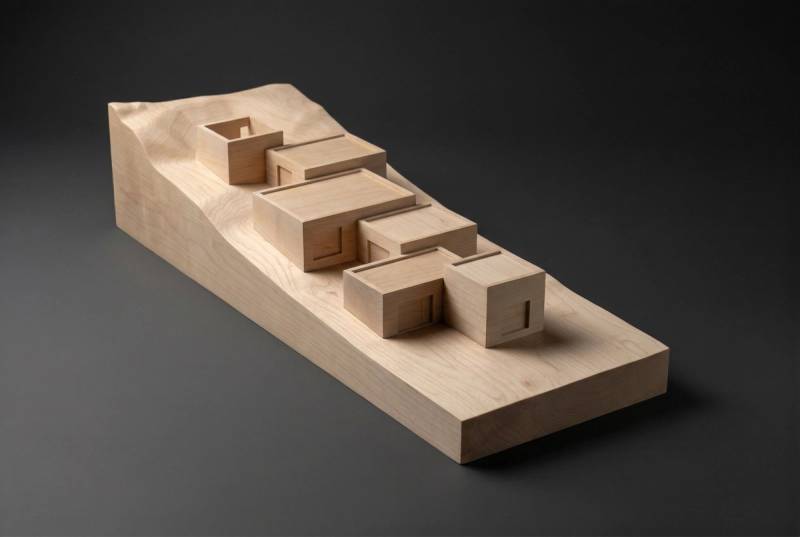
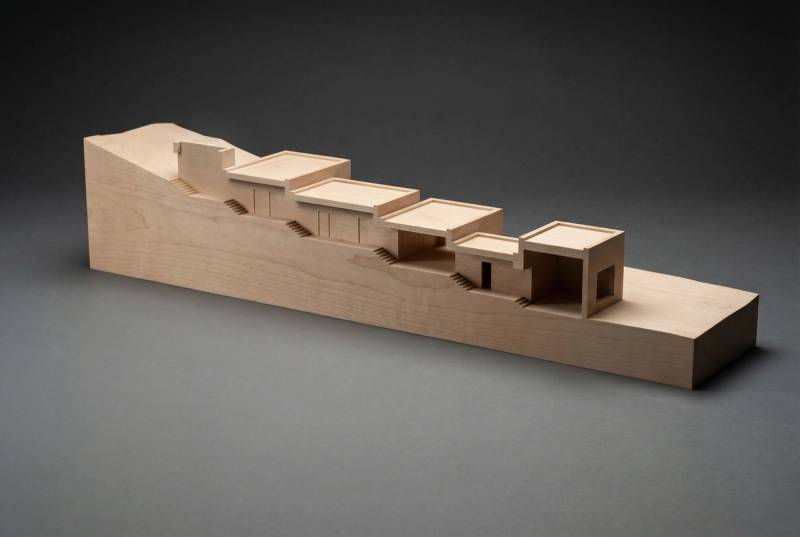
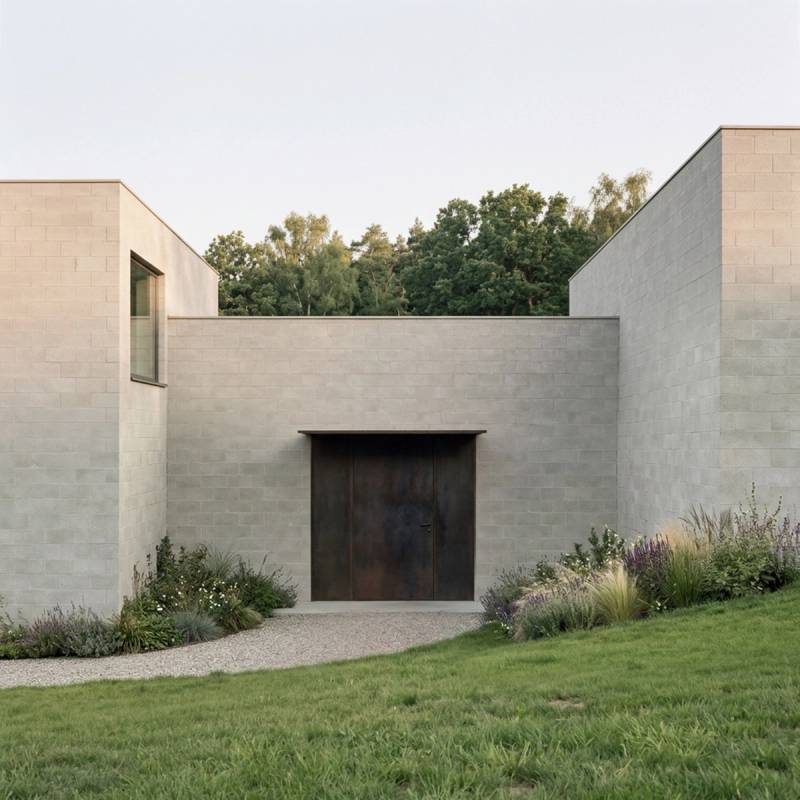
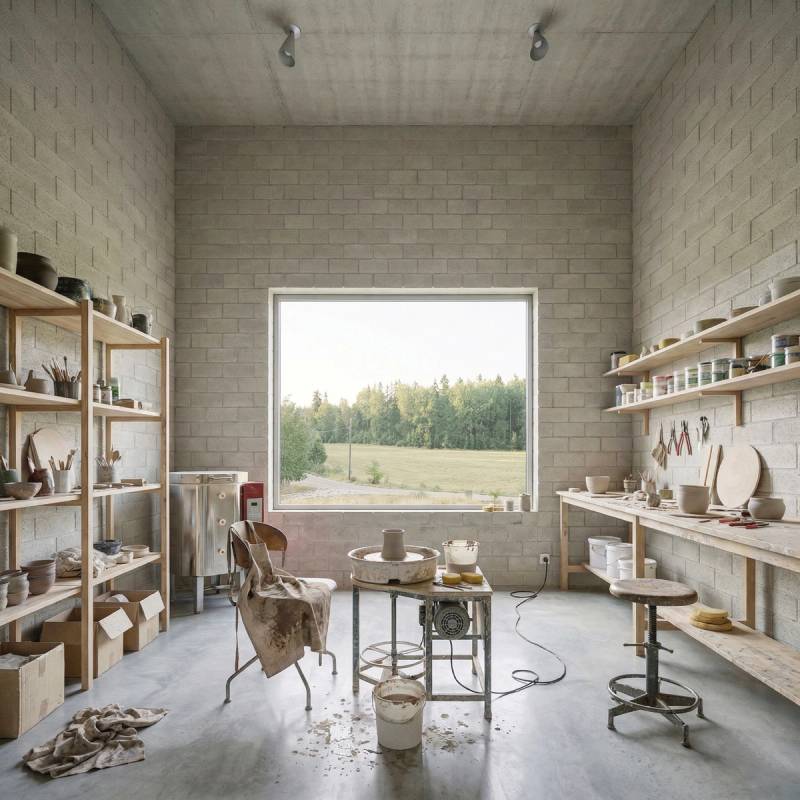
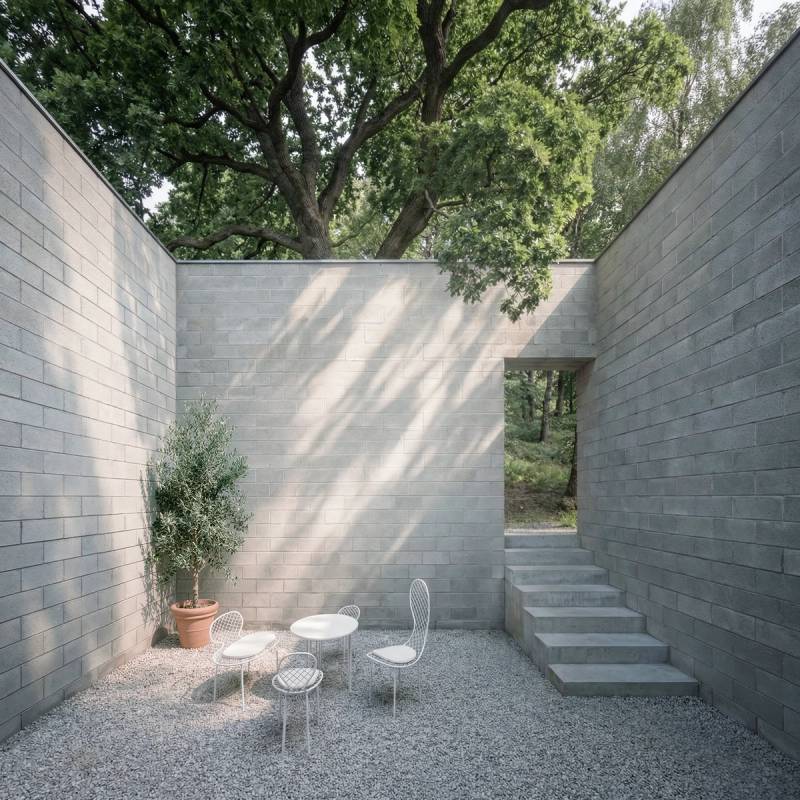
With the living quarters contained in the four central blocks, the two spaces located at each end are for common use: an atelier/workshop to the south and a hidden outdoor courtyard to the north. The latter constitutes a link that allows the interior passage to extend towards an old oak tree and further up into the forested hill. While moving through the house, a sequence of open and closed interior spaces alternates, with access to several outdoor areas shaped by the staggered plan.
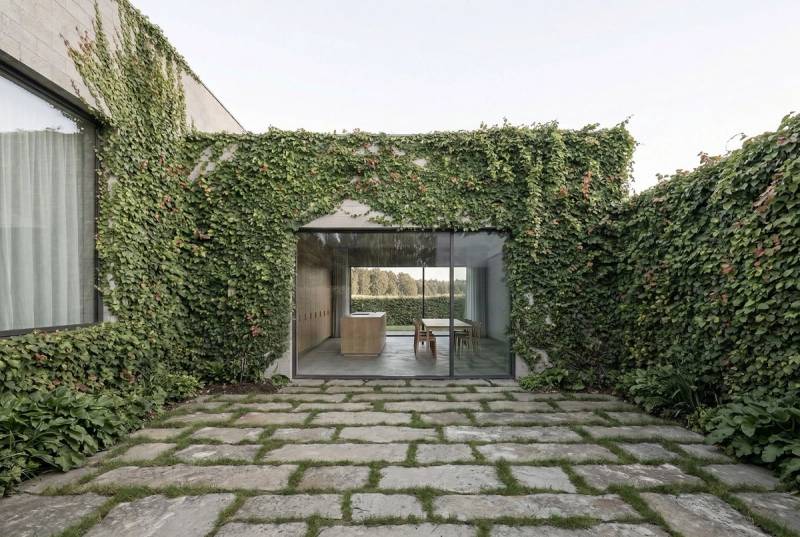
The proposed materiality of the house features a pared-down palette of concrete blocks and large, infrequent window openings. The site was previously the location of glasshouses for growing fruit and vegetables as part of the surrounding farmland. The large oak tree at the foot of the hill is a reminder of the hunting grounds and oak forests belonging to the nearby Drottningholm Palace. The concrete blocks, often used for the structures of local barns and stables, will be left exposed and eventually overgrown with ivy, a species native to the area.